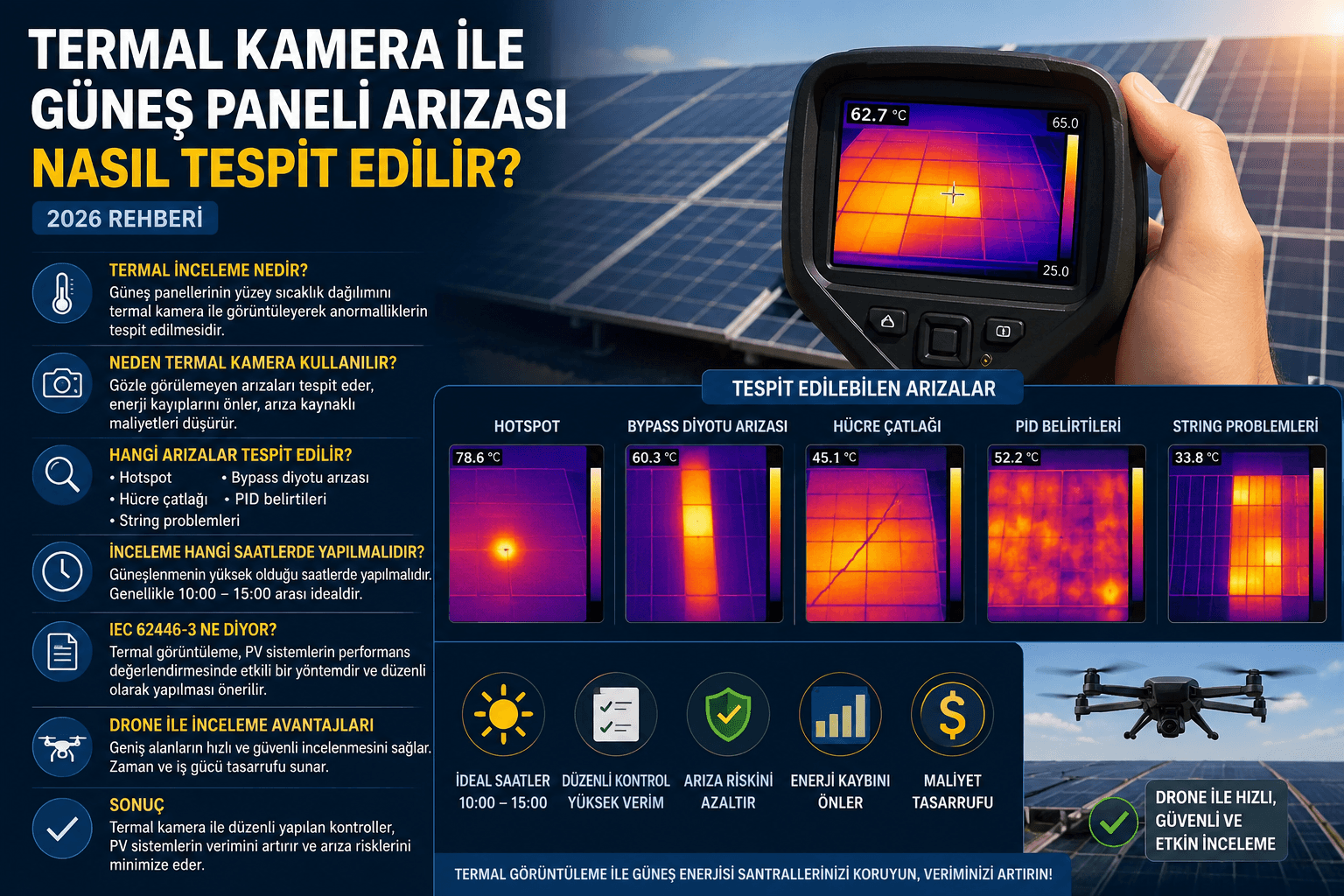
Anomaly Detection with ΔT Analysis: A Step-by-Step Guide
ΔT (temperature deviation) analysis objectively measures how much hotter a panel is running than it should be, turning fault severity into a number instead of a guess. Here's how it works, step by step.

What Is ΔT?
ΔT is the temperature difference between an anomaly and a healthy reference point under the same conditions. Absolute temperature alone can be misleading, so the size of the deviation is a far more reliable indicator of how serious a fault actually is.
Why Reference Point Selection Is Critical
An accurate ΔT calculation starts with picking two reference points, ideally on the same string and under similar irradiance conditions. A poorly chosen reference point can make a healthy panel look like an anomaly — or let a real fault slip through unnoticed.
Prioritizing by Temperature Deviation
Every detected anomaly is classified into Low, Medium, High, and Critical based on the size of its ΔT value. That classification lets field teams with limited resources decide quickly which panel needs attention first.
Common Mistakes
The most frequent mistakes include inspecting under low irradiance, picking mismatched reference points from different strings, and overlooking moments when wind is cooling the panel surface and skewing the temperature reading.